









Yamagata Life Diary: Kameya Natural Plant Dye Studio
地域情報
2026.05.25
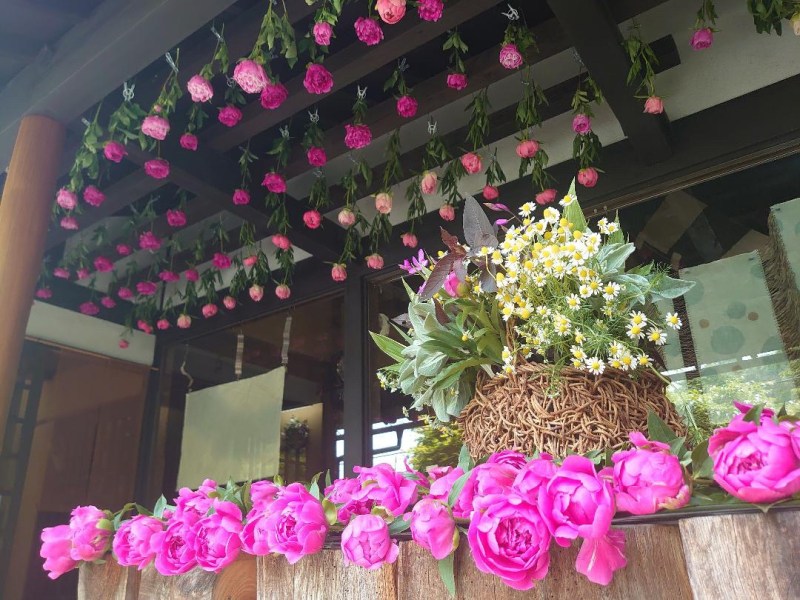
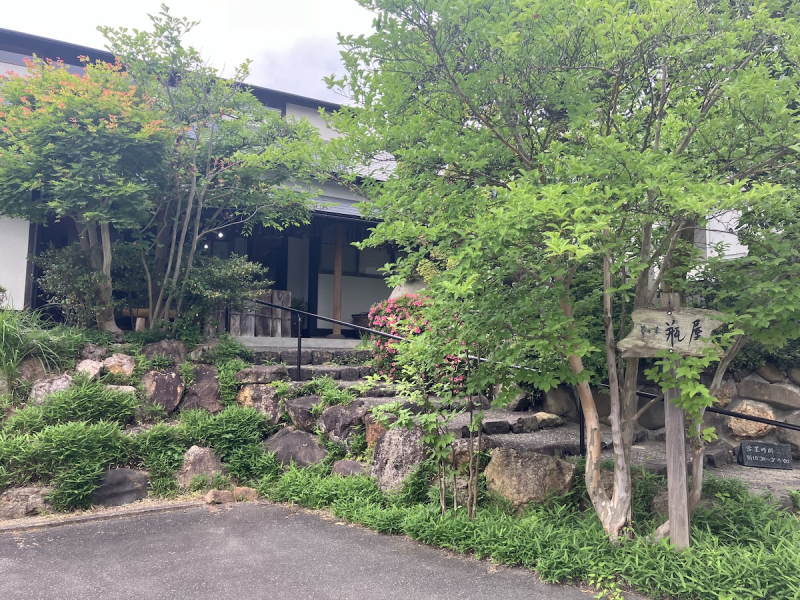
In Yamagata city’s Hirashimizu neighborhood, just a few steps shy of the popular Shichiemon pottery shop, you may notice a modest wooden signboard on your left, standing in the shade of an elegant summer camellia tree. A stone engraved with opening hours informs you that this is a shop, and if you walk up the steps to the entrance, there is often something beautiful outside to welcome you: perhaps a large pottery vessel overflowing with wildflowers and herbs, or small bundles of plants hanging in rows beneath the eaves.
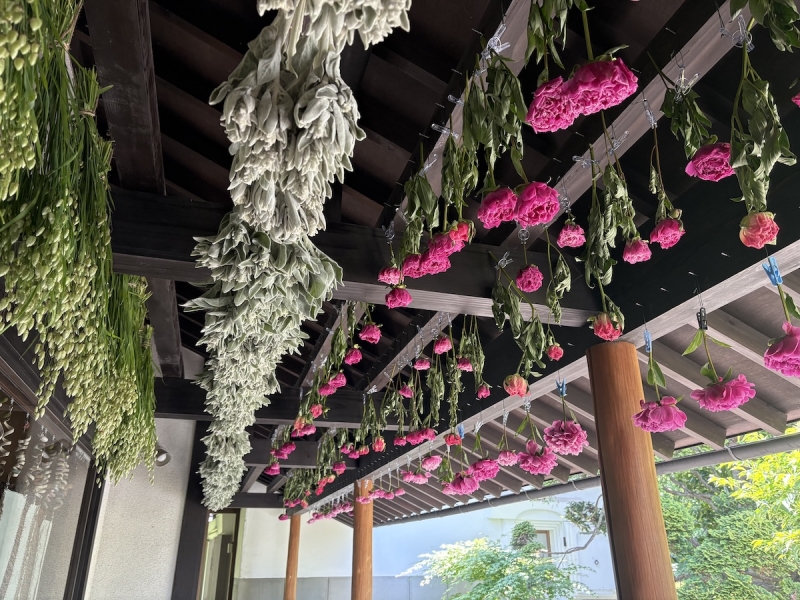
I love visiting this shop in May, because this is when I can look forward to gorgeous hanging rows of rose-colored peony blossoms. This year, they are flanked by neat bunches of woolly, silvery-white lamb’s ear, and another row of bundled kobanso (quaking grass), which looks ready to respond to a strong breeze with its shivery rattlesnake sound.
This is Kameya, a natural plant dye shop run by Masako Sakuma, her son Hiroshi, and his wife Natsuko. Together, the three of them handle every aspect of the business, which is no small feat.
The flower displays outside the shop come from their expansive dye plant garden, which they spend long hours tending to each day. This beautiful garden—which has been featured in many magazines, along with the NHK Shin Nihon Fudoki documentary series—covers almost 4000 square meters, and here they grow the plants and trees which they turn into dyeing materials, alongside masses of flowers and herbs which fill the garden with color throughout the growing season. Customers may request a tour, or sign up for one of the herbal tea parties held in the garden during the warmer months.
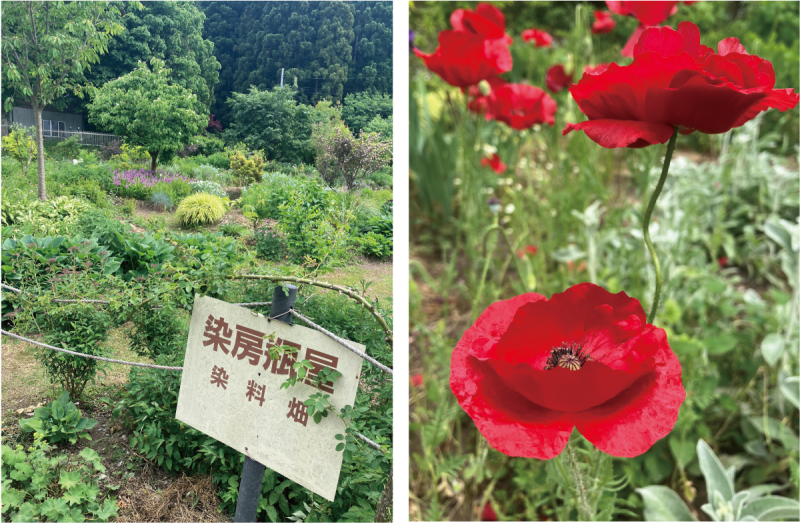
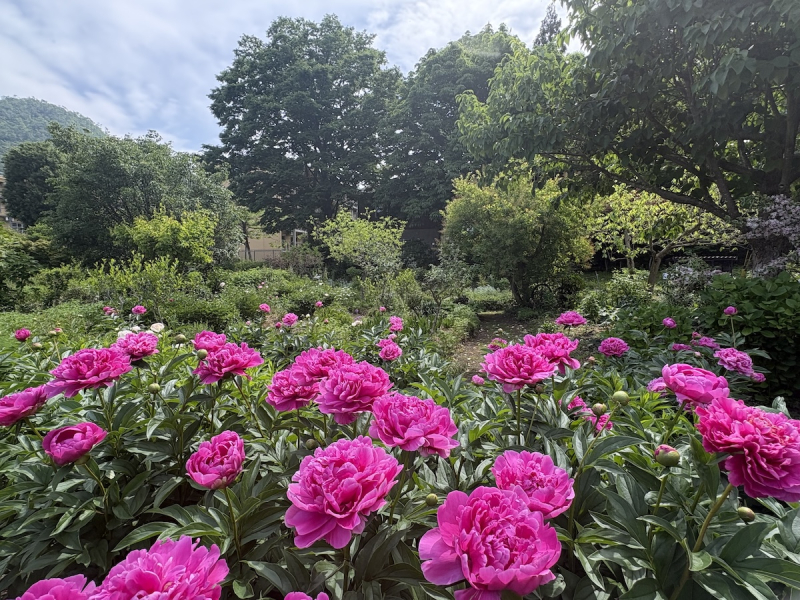
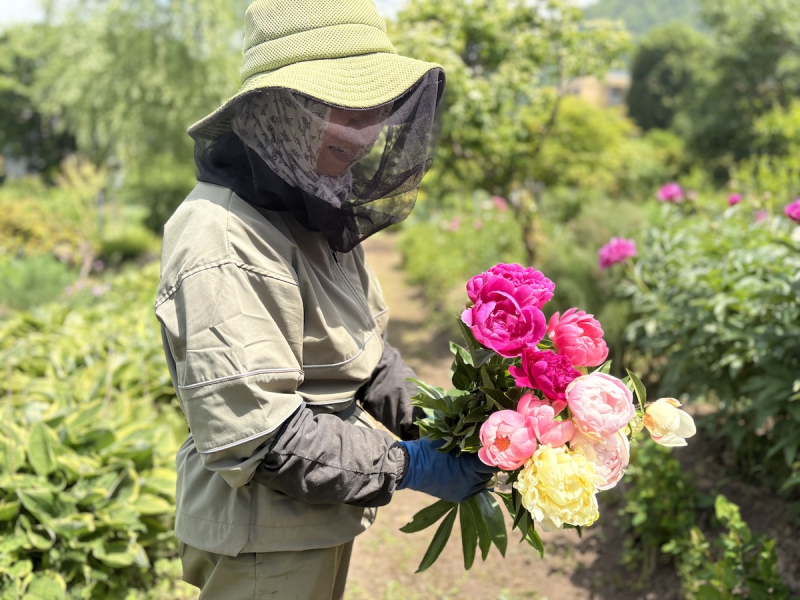
Kameya specializes in benibana (safflower) dyeing, so a portion of the garden is dedicated to the cultivation of safflowers, from which they extract the pigments which produce luminous shades ranging from yellow to the deepest pink. But other plants and trees are also grown and harvested for their natural dyes, including ai (Japanese indigo), fujibakama (eupatorium), kihada (Amur cork tree), kuri (chestnut), shakuyaku (Chinese peony), ukon (turmeric), and hiiragi (holly osmanthus). Everything is organically grown, and the dyes are entirely handmade using only the most authentic artisanal methods, with nothing synthetic or chemical added.
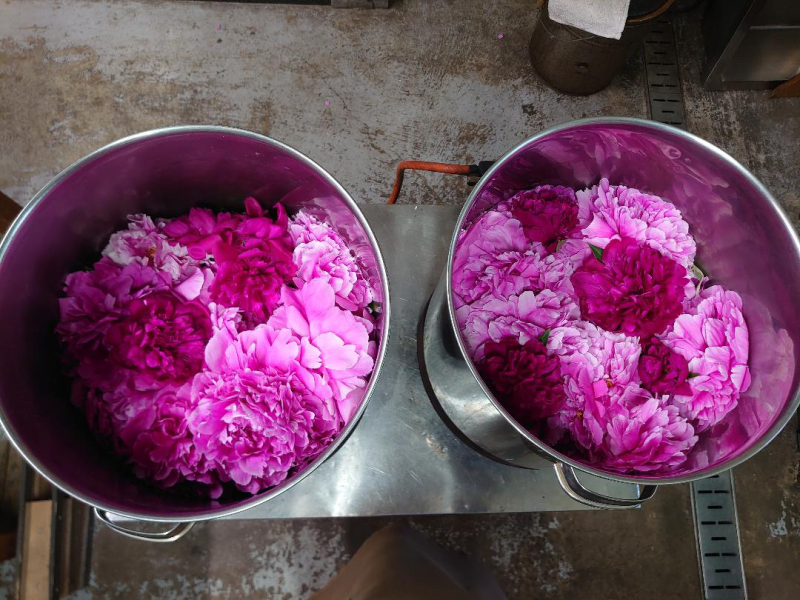
Next comes the process of hand-dyeing silk procured in Tsuruoka city, and washi paper and silkworm cocoons produced in Yamagata prefecture. The silk is used to make scarves, small bags and accessories; the washi paper and silkworm cocoons feature in an inventive cornucopia of items conceived and crafted by Masako.
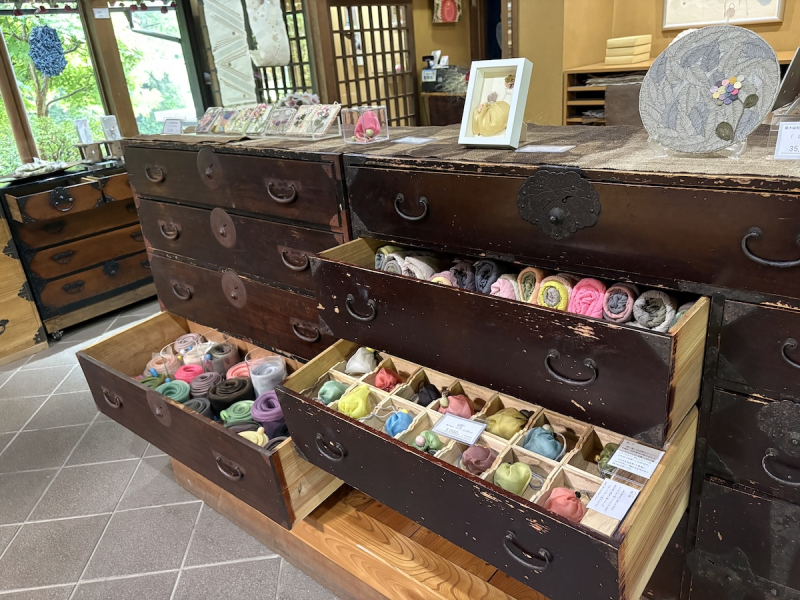
The majority of the silk items are not on immediate view when you step into the shop, for they are kept in antique chests to protect them from ultraviolet rays. But all you have to do is slide open any of the drawers to glimpse the delicate, ephemeral colors within.
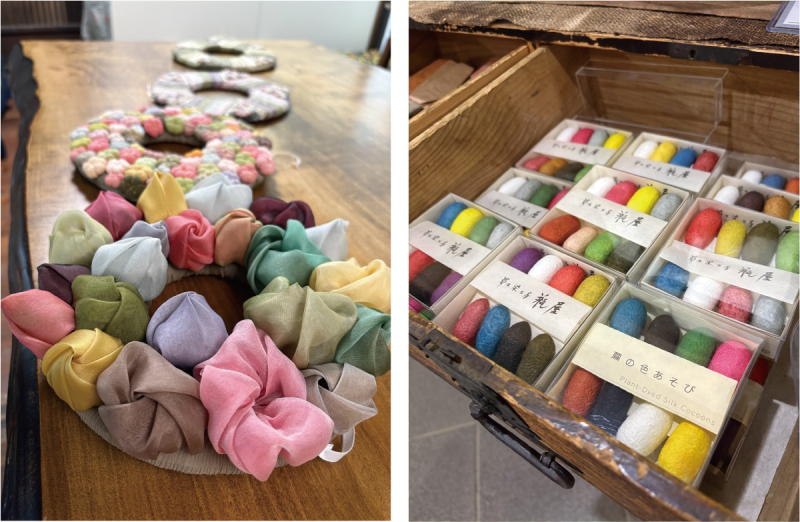
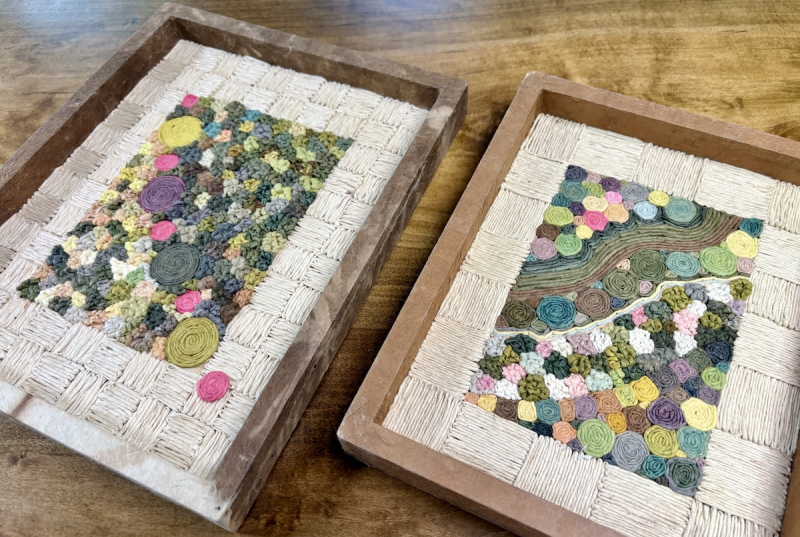
Like its natural dyes, Kameya is a distillation of transience and timelessness. There is a faithful adherence to artisanal tradition, but also an embrace of the unknown, and the new. And a genuine warmth extended to all who visit, whether they be casual passersby or natural dye enthusiasts from overseas, who have come to Yamagata specifically to visit this shop. Hiroshi can now recite many of the plant names in English, and he and Natsuko will always do their best to communicate!
In a week or so, the peonies under the eaves will fade and be replaced—first by huge vases of hydrangeas and beebalm, then hanging rows of wispy itogaya (thread grass), safflower, and finally fujibakama and Japanese indigo. Knowing that something beautiful will be waiting for you, but never knowing exactly what that will be, is one of the many charms of visiting Kameya.
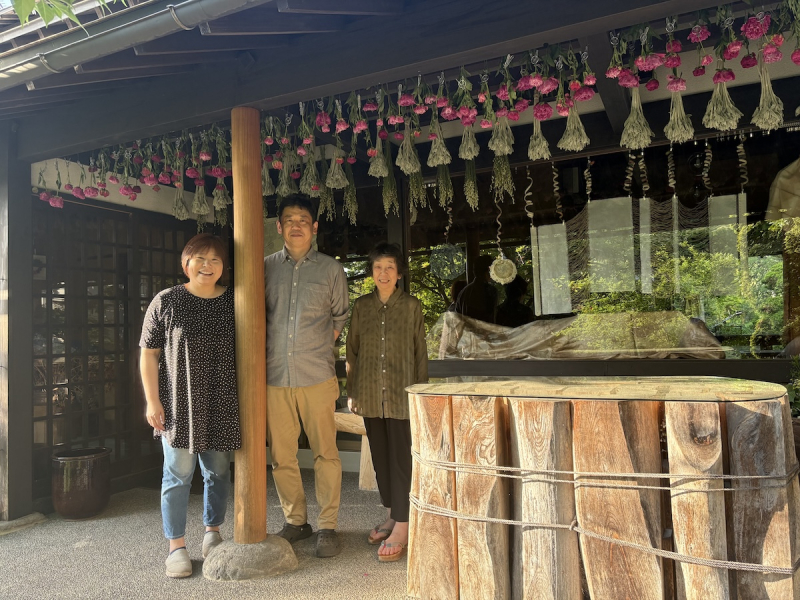
Kameya Natural Plant Dye Studio — 草木染工房 瓶屋
Address: 151 Hirashimizu, Yamagata city
Phone: 023-625-7736
Hours: 10:30 a.m.–4:00 p.m., closed Tuesdays and Wednesdays, and closed January through late February
Website: kameya-co.jp
Instagram: kusakizome_kameya
こちらもおすすめ


-
北九州

- 【北九州】10/18~25ことばとタイポの展示「Have a Word !」
NEW2026.10.11 -
山形
- 母を看取らば~ある認知症介護の記憶 Vol.3
NEW2026.10.09 -
湘南
- 鎌倉市御成町|鎌倉の街の角に音楽を。レコード屋「FOLC records & arts」がオープン
NEW2026.10.08 -
鹿児島

- 【鹿児島県鹿児島市】鹿児島の街なかで、本格的なジャズを楽しむ2日間。「鹿児島ジャズフェスティバル2026」開催
NEW2026.10.08 -
山形
- 【Q1】2026.10.10開催「Q市/ヘンな人たちのフリーマーケット」
NEW2026.10.07 -
鹿児島

- 【鹿児島県日置市】パンと、焼き菓子と、秋の美山。「美山の森のパンマルシェ vol.3」開催
NEW2026.10.04 -
名古屋
- 【岐阜県・中津川市】里山でDo it ourselves!みんなで描く加子母の未来図
NEW2026.10.01 -
大阪
- ニュータウンだからこそ在るもの|元堺市職員・高松俊さん
NEW2026.10.01 -
鹿児島
- 甑島の暮らしを、もの・写真・言葉から。「ただ、島と生きている。」開催
NEW2026.09.29 -
大阪
- 薬膳の考えをベースにした二十四節気のお弁当屋 |暮らしの中で商う【CAGOM(カゴム)】
2026.09.26